Roofing in Milford, NJ and across western Hunterdon County -- houses, farmhouses, barns and outbuildings, priced for what they actually are.
$12,000 to $18,000 on a typical house, but the borough's older stock rarely behaves typically. On a street of nineteenth-century houses the first question is what is actually under the visible covering, because slate and standing seam turn up beneath asphalt here more often than anybody expects.
An architectural asphalt roof in New Jersey runs $9,500 to $26,000, with most 2,000 square foot houses landing at $12,000 to $18,000 installed. Architectural shingle is $5.50 to $8.00 per square foot against $4.50 to $6.50 for three-tab.


New Jersey figures for an architectural asphalt roof, with most 2,000 square foot houses landing at $12,000 to $18,000. Those numbers describe a suburban house, and a good share of what we replace out here is an older farmhouse where the first question is what is actually under the visible covering. In the borough, access is easy and travel is short -- this is the one place in the service area where a small repair does not carry much of a drive. What moves the number here is age: what is under the covering, how many layers, and whether the deck is boards.
A simple roof shape, good access, one existing layer, and a deck that turns out sound. The later housing on subdivided land out here usually qualifies.
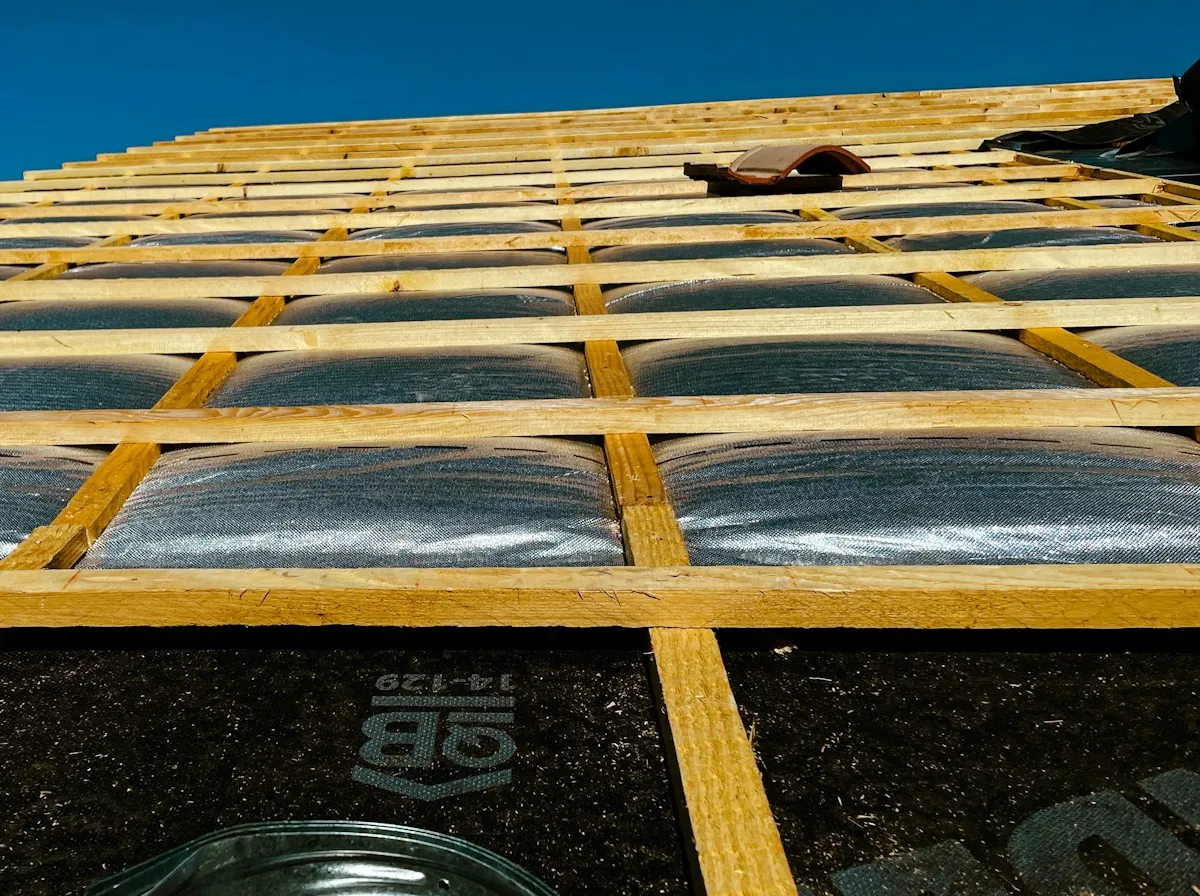
Surprises under the covering -- slate or standing seam that somebody roofed over decades ago, board sheathing that has to be made good, a second and sometimes third layer. On old buildings none of this is visible until it is.
How decking replacement is priced. It belongs in the scope as a rate per sheet, because nobody knows how much has softened until the covering is off.
The neighboring jobs, priced.
$350 to $1,800 covers most repairs.
Panel at $6 to $12 a square foot, standing seam at $10 to $18.
There is not much agricultural building inside a square-mile borough, but there are carriage houses, wagon sheds and substantial outbuildings behind the older houses -- smaller than a working barn and framed the same way, which means the same survey: start inside, look up at the frame..
On the borough's nineteenth-century housing, slate turning up under a later covering is common.
$5 to $14 a square foot.
On an old house the gutter is the cheapest thing on the building and it protects the most expensive.
In the borough the survey mostly answers one question: what is actually up there.
None of them appear in a national cost guide, and all three can move a number by an order of magnitude.
On housing this age, asphalt laid over standing seam or slate in the 1970s is common and nobody has been up since. That changes the tear-off, the disposal, the deck condition and the right replacement -- so it is established before a price rather than discovered on the second morning.
A barn roof is a large simple plane: cheap per square foot, expensive in total. There is no insulation, no ventilation problem and no ceiling to protect, so years of water did their damage to purlins and rafters. Where the frame is sound, a re-covering is excellent value. Where it is not, the covering is the smaller half of the job.
Natural slate outlives its nails and its valley metal by a long way. A roof shedding tiles is most often sound stone on failed fixings, and renailing with the slate reused costs a fraction of new slate at $22 to $35 a square foot. Getting this wrong in the wrong direction costs tens of thousands.
Milford Borough is a square mile and a quarter; the service area is four townships. Travel is a real cost on a small job. We would rather name it, and batch visits where it makes sense, than put it in a rate where you cannot see it.
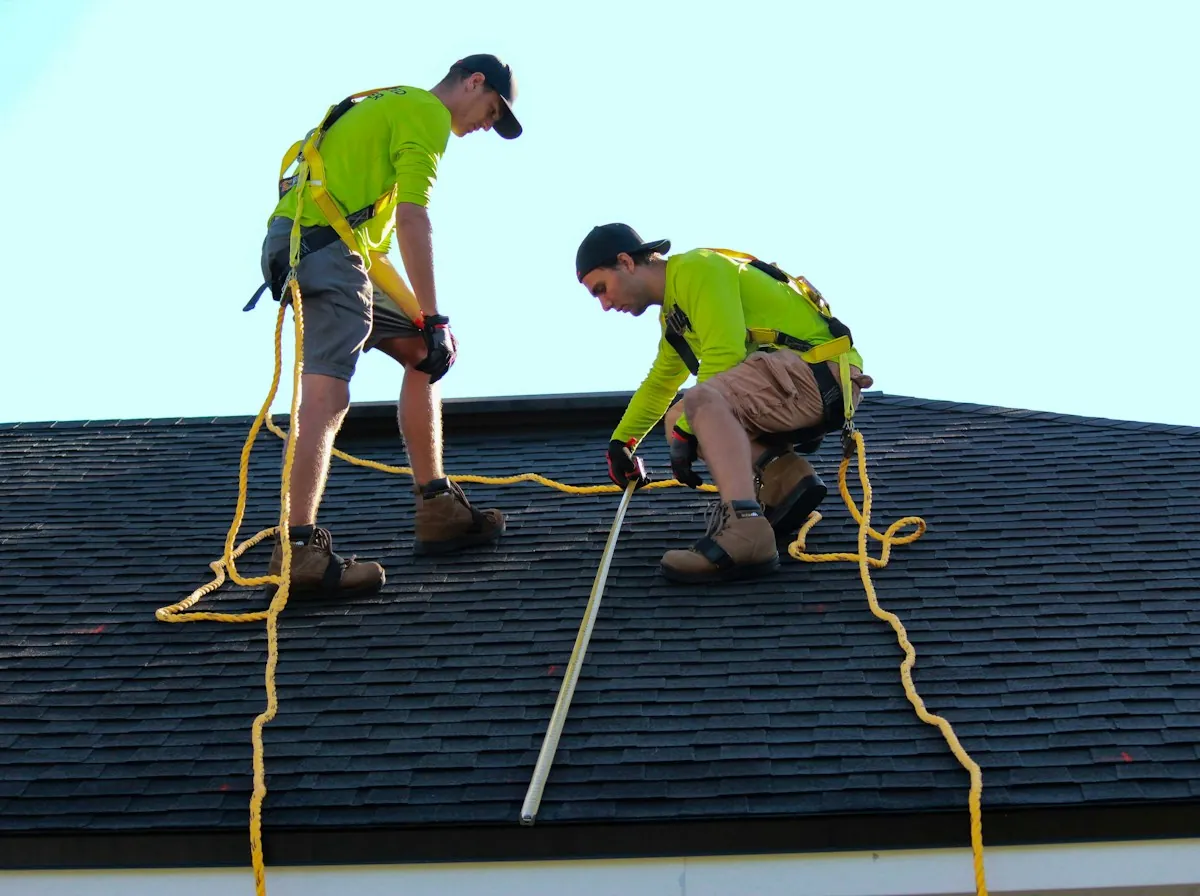
Free inspection, an honest answer about what is up there, then a written quote.
Tell us the address, the township, and what kind of building it is -- house, farmhouse, barn or outbuilding. Those are genuinely different jobs with different surveys, and knowing which before we set off saves everybody a trip across the plateau.
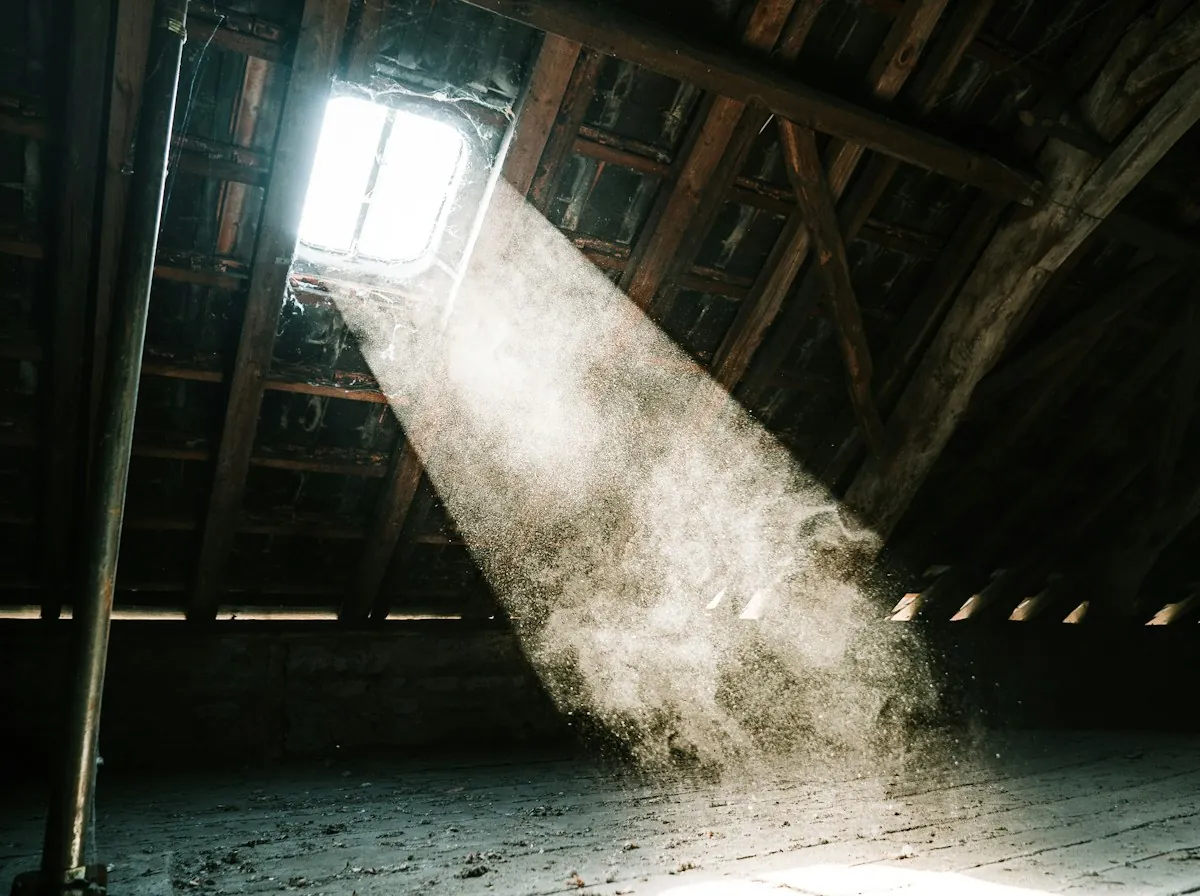
On a house: the slope, the details that fail, and the roof space, because what is under the visible covering out here is often not what anybody expects. On an outbuilding: standing inside and looking up at purlins and rafters, because that is where a leaking roof does its real damage.
What is actually up there, what is being taken off, what is going back, and decking or purlin work as its own line rather than folded in. On slate, a plain statement of whether the stone or only the fixings have gone, because that decides the whole number.
Materials confirmed before they arrive, the construction office dealt with where a permit is genuinely required, and a before-and-after set including the parts you would otherwise never see.
The first two are the ones a suburban roofer working out here for the first time will struggle with.
Not what is on top of it. If a quote does not say, nobody has looked, and on a building of this age that is the single largest unknown in the price.
The right answer describes purlins, rafters and the plate. A quote produced entirely from outside a farm building has priced the covering and ignored the thing that actually matters.
A roofer who answers 'the roof is shot' without distinguishing those is either guessing or selling. The difference is a factor of five or more in price.
Nobody knows how much deck has softened until the covering is off. A rate per sheet is honest; a lump sum gets revisited upwards once the roof is open.
New Jersey registers home improvement contractors and the number belongs on the paperwork, not just a website footer. Its absence tells you something before you have read a price.
Nearly every piece of roofing advice online -- every cost guide, every calculator, every 'signs you need a new roof' article -- is written about a post-war house with an asphalt roof and an attic. Out here a good share of what needs a roofer is a nineteenth-century farmhouse with standing seam or slate on it, or a barn, or a wagon shed that has stood for a hundred and forty years on boards and nails nobody manufactures any more. None of that advice applies.
Two things follow, and they are worth money to you. A BARN IS NOT A BIG HOUSE: it is one or two large simple planes, which makes it cheap per square foot and expensive in total, and there is usually no insulation, no ventilation problem and no ceiling to protect. What matters is the structure underneath -- purlins, rafters and the plate they sit on -- because water getting in for years damages irreplaceable timber rather than somebody's plaster. So a barn survey starts inside, looking up.
And SLATE USUALLY HAS NOT FAILED. Natural slate outlives the nails holding it and the valley metal beside it by a very long way, so a roof visibly shedding tiles is most often sound stone on failed fixings. Renailing and relining with the sound slate reused costs a fraction of new slate at $22 to $35 a square foot. Telling those two situations apart is most of what a survey out here is worth, and getting it wrong in the wrong direction costs tens of thousands. One last honest note: Milford Borough is a square mile and a quarter and this service area is four townships, so travel is a real cost on a small job. We would rather say that and batch visits where it makes sense than bury the drive in a price you cannot see.

A small borough on the Delaware in western Hunterdon County, incorporated out of Holland Township in 1911 and covering about a square mile and a quarter on the Hunterdon Plateau. A compact river-town center of nineteenth-century houses close together, with later building on the edges -- a historic district, steep pitches, and a good deal of original fabric for a settlement this size.
Old town housing means the same three unknowns every time: what is under the visible covering, whether the deck is boards, and how many layers are up there. On a street of houses this age, slate and standing seam turn up under asphalt more often than anybody expects.
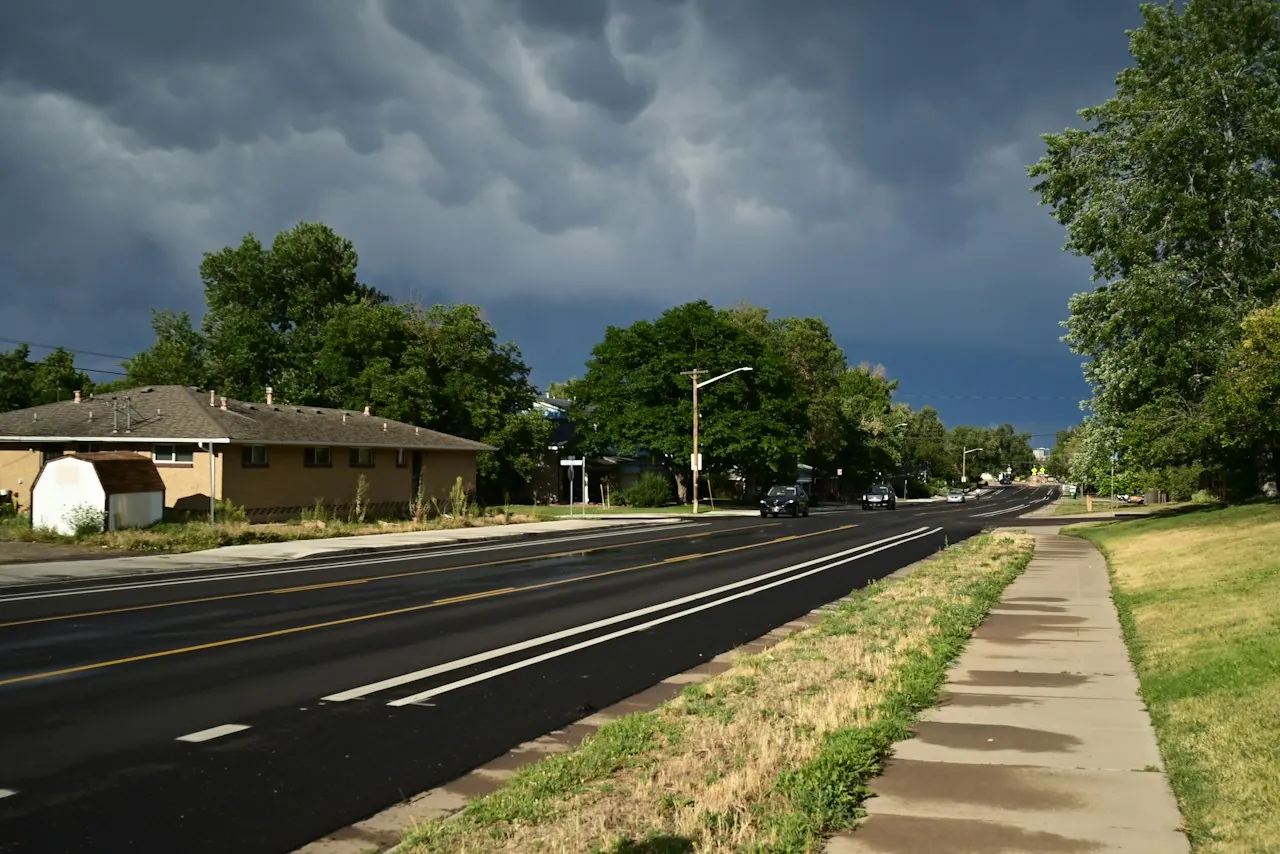
A square-mile borough at the center of a four-township service area -- which is why travel is discussed openly here rather than hidden in a rate.

Milford and the townships around it, on the Hunterdon Plateau above the Delaware. Houses, farmhouses and farm buildings -- which are three different jobs.
Barn country. A property is usually several roofs.
Two centuries of building, scattered widely.
The biggest roofs here. Price the frame first.
Town roofs again, where access is the hard part.
The questions that decide this job, answered before you ask.
Only where it has actually softened, and as a rate per sheet in the written scope rather than a lump guess. On the older buildings here the deck is frequently board sheathing rather than plywood, which holds a nail differently, so it is established by lifting and looking before anything is specified on top of it.
Only over one existing layer, on a sound deck -- and on an old building there is a better reason to strip. An overlay hides whatever is underneath, and what is underneath out here is quite often standing seam or slate that somebody roofed over decades ago. You want to know that, not bury it deeper.
An architectural asphalt roof runs $9,500 to $26,000, with most 2,000 square foot houses landing at $12,000 to $18,000 installed -- but that figure describes a suburban house, and out here a good share of the work is not on one. Metal panel is $6 to $12 per square foot and standing seam $10 to $18; natural slate is $22 to $35. A barn priced per square foot is the cheapest roofing there is and the most expensive job on the property, because of how much of it there is.
Usually not, on a house. Replacing the roof COVERING on a detached one- or two-family dwelling is ordinary maintenance under N.J.A.C. 5:23-2.7 -- no permit, no notice, no inspection. Out here there is a second question that does not arise elsewhere: an agricultural building is a different case, and the answer depends on what it is used for. That gets asked of the township rather than assumed from a website, and each of the five municipalities in this service area has its own construction office.
For a standard house, $12,000 to $18,000 covers most 2,000 square foot properties, within a full range of $9,500 to $26,000. The more useful answer for this area is that you cannot price an old building from a published range at all, because the number turns on things nobody can see from the road: what is under the covering, how many layers, whether the deck is boards, and whether the frame was built for the weight of what is on it.
Free inspection, an honest answer about what is actually up there, and travel treated as a line you can see.